
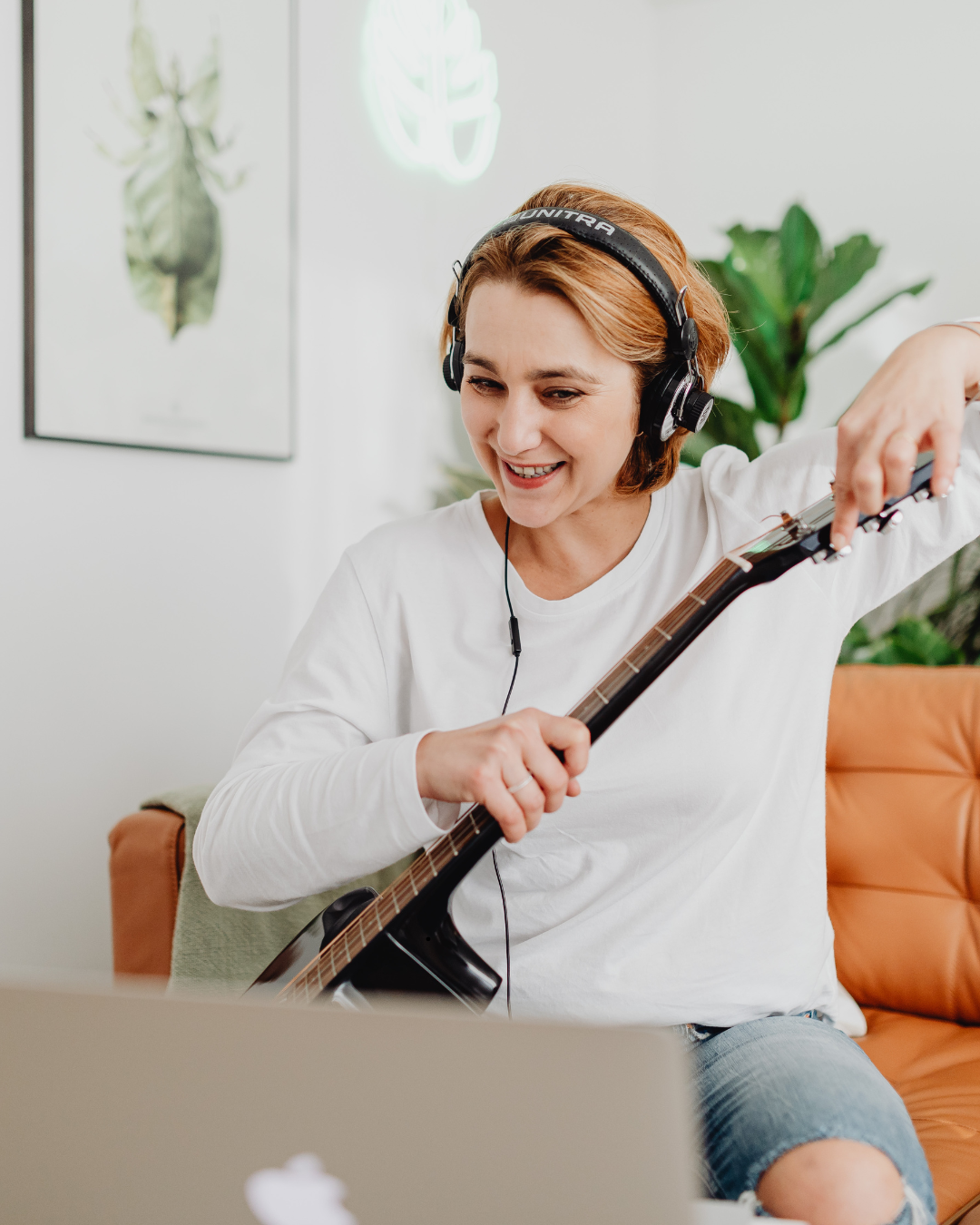
Music is more than a creative outlet or a hobby. Learning and practicing music actively shapes the brain, helping people of all ages improve memory, concentration, and emotional control. This is one of the biggest reasons parents, educators, and even mental-health professionals increasingly recommend music lessons-not just for talent, but for overall development.
If you’ve ever noticed that music students often seem more focused, confident, and emotionally balanced, there’s a real reason behind it.
How Music Strengthens Memory
Learning music is a full-brain workout. When someone practices an instrument or sings, they are required to:
- Read and remember notes or lyrics
- Recall rhythms, patterns, and sequences
- Coordinate hands, breath, or voice at the same time
This repeated process strengthens both short-term and long-term memory. Over time, the brain becomes faster at storing and retrieving information. This is why students who learn music often find it easier to memorize schoolwork, instructions, and even new languages.
Music trains the brain to remember patterns, and pattern recognition plays a huge role in academic and everyday learning.
Why Music Improves Focus and Attention Span
In a world full of distractions, focus is becoming harder than ever. Music practice naturally teaches the brain how to concentrate.
When learning music, students must:
- Stay present in the moment
- Listen carefully to pitch, rhythm, and timing
- Correct mistakes in real time
This level of attention cannot be rushed. Even short, consistent practice sessions help train the brain to sustain focus for longer periods. Over time, this improved concentration carries over into school, work, and daily tasks.
Many parents notice that children who take music lessons are better at completing homework, following routines, and staying engaged without constant reminders.
The Link Between Music and Emotional Control
Music has a direct connection to emotions. Playing or listening to music activates areas of the brain responsible for emotional regulation.
Through music, students learn to:
- Express emotions in a healthy way
- Manage frustration when something feels challenging
- Develop patience and resilience
- Build confidence through progress and achievement
Instead of reacting impulsively, music students learn to pause, practice, and try again. This helps develop emotional control, especially in children and teens who may struggle with stress, anxiety, or confidence.
Music becomes a safe outlet-one where emotions are acknowledged rather than suppressed.
Why Music Helps Children and Adults Alike
Music learning isn’t just beneficial for kids. Adults who learn music also experience:
- Sharper memory as they age
- Better stress management
- Improved emotional well-being
- Increased mental flexibility
For children, music builds a strong foundation for learning and emotional growth. For adults, it helps maintain brain health and emotional balance in a fast-paced world.
More Than a Skill – A Life Advantage
Music doesn’t just teach notes and rhythm. It teaches the brain how to learn, focus, and respond emotionally in a healthier way.
That’s why music lessons are often described as a lifelong investment, not just a creative activity. The benefits extend far beyond the practice room and into school, relationships, and personal confidence.
Final Thought
Whether you’re a parent considering lessons for your child or an adult thinking of starting something new, music offers powerful benefits that go far beyond sound. It strengthens the mind, sharpens focus, and helps build emotional balance-skills that matter for life.
Frequently Asked Questions (FAQs)
How does music improve memory?
Music improves memory by training the brain to recognize patterns, sequences, and timing. When learning music, the brain constantly stores and recalls notes, rhythms, and movements, which strengthens both short-term and long-term memory over time.
Can music really help improve focus and concentration?
Yes. Music practice requires sustained attention, listening skills, and coordination. Regular practice teaches the brain how to concentrate for longer periods, which often carries over into better focus at school, work, and daily activities.
Does learning music help with emotional control?
Music helps regulate emotions by engaging areas of the brain responsible for emotional processing. It provides a healthy outlet for expressing feelings, managing stress, and developing patience, which improves emotional control over time.
Is music beneficial for children with anxiety or low confidence?
Absolutely. Music lessons help children build confidence through progress and achievement. They also offer a safe, structured way to express emotions, which can reduce anxiety and improve emotional resilience.
At what age does music start benefiting the brain?
Music benefits the brain at any age. Young children gain cognitive and emotional development, while adults experience improved memory, stress reduction, and long-term brain health. It’s never too early-or too late-to start learning music.
How often should someone practice music to see brain benefits?
Even 15–20 minutes of regular practice can produce noticeable improvements in focus, memory, and emotional control. Consistency matters more than long practice sessions.
Does listening to music have the same benefits as learning an instrument?
Listening to music can improve mood and relaxation, but actively learning music provides much stronger benefits for memory, focus, and emotional control because it engages multiple parts of the brain at once.
Can adults improve memory by learning music later in life?
Yes. Learning music as an adult helps maintain brain flexibility, improve memory recall, and reduce cognitive decline. Many adults also report better stress management and emotional well-being.
Why do music students often perform better academically?
Music students develop strong concentration, discipline, and memory skills through regular practice. These abilities naturally support better learning habits, problem-solving, and academic performance.
Is music better than other activities for brain development?
Music is unique because it combines mental focus, physical coordination, emotional expression, and creativity all at once. This makes it one of the most powerful activities for overall brain development.
Text or call 925-322-6555 today to schedule your audition preparation lesson and help your student step into their performance with confidence.