
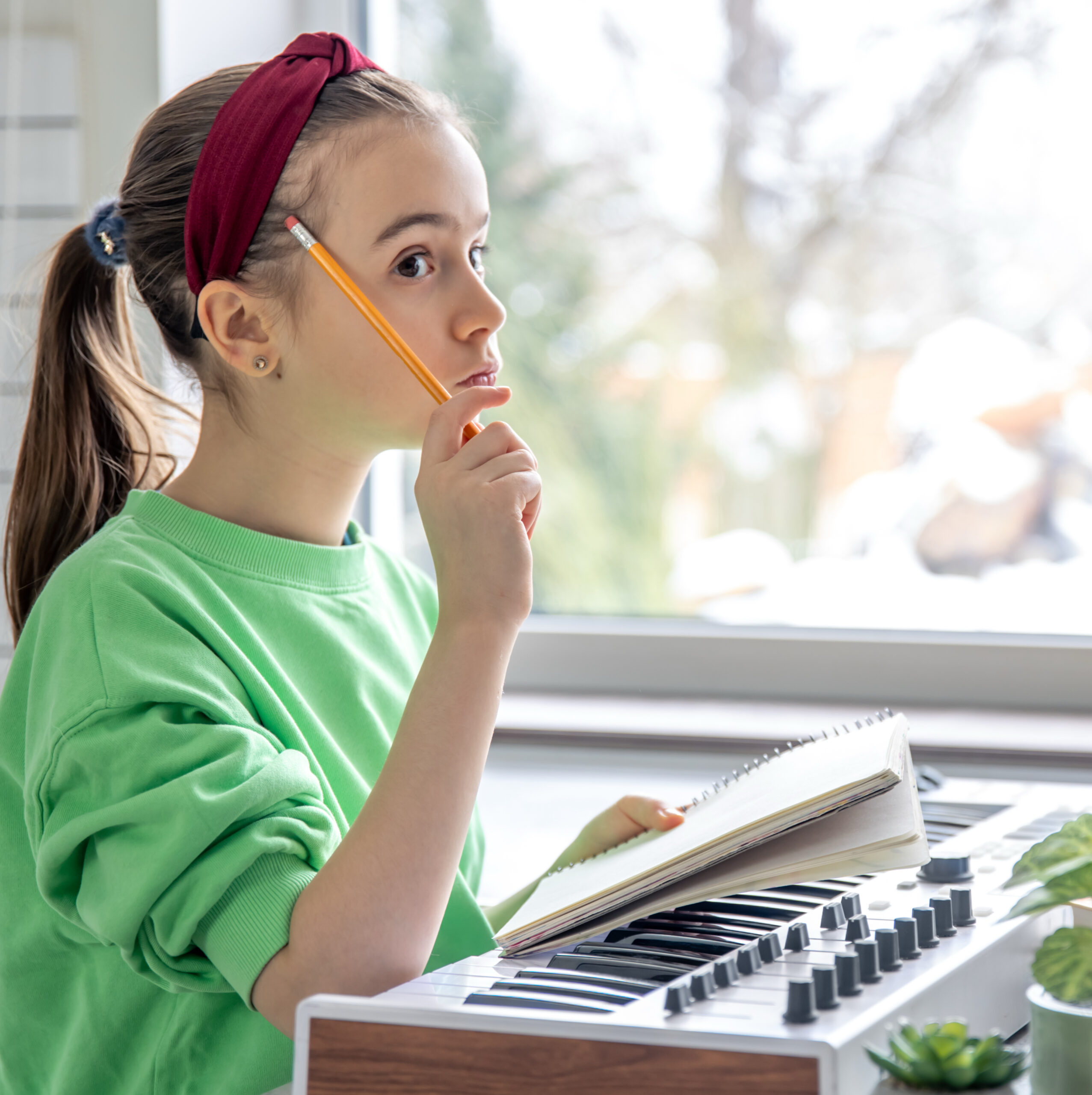
Screens vs Skills: What Your Child Chooses in 2026 Depends on This January
January doesn’t feel dramatic on the surface.
No big exams. No school transitions. No obvious pressure.
And yet, January quietly decides a lot more than we realize.
For many families, it’s the month where routines either get rebuilt – or completely replaced by screens. Tablets, phones, gaming consoles, endless scrolling, and YouTube autoplay slowly take over daily life. It doesn’t happen overnight. It happens quietly. Comfortably. Almost invisibly.
By the time parents notice, screens aren’t just entertainment anymore – they’ve become the default habit.
What your child chooses in 2026 – skills or screens – often depends on what starts (or doesn’t start) this January.
The Screen Time Problem Parents Are Afraid to Talk About
Most parents already know screen time is an issue.
What’s harder to admit is how fast it escalates.
What starts as:
“Just one game”
“Just one video”
“They’re tired after school”
Slowly becomes:
- Resistance to homework
- Shorter attention spans
- Irritability when devices are removed
- Loss of interest in creative activities
- Constant boredom without a screen
This isn’t about blaming parents. Screens are everywhere. Schools use them. Friends use them. Society normalizes them.
The real question is not how to eliminate screens completely – that’s unrealistic.
The real question is:
What strong, meaningful habit replaces screen time?
Skills vs Screens: The Choice Most Parents Don’t Realize They’re Making
Every day, children make micro-choices:
- Scroll or create
- Consume or practice
- Watch someone else perform – or build a skill themselves
Over time, these choices compound.
Screens train children to:
- Seek instant gratification
- Avoid effort
- Expect entertainment without participation
Skills train children to:
- Focus
- Persist through difficulty
- Experience progress through effort
And one of the most powerful skill-building alternatives to screen addiction is music lessons.
Why Music Works When Other Activities Don’t
Sports are great. Art is great. Coding is great.
But music has a unique advantage.
Unlike many activities, music demands presence.
You cannot scroll while playing an instrument.
You cannot multitask while reading notes or listening carefully.
When a child sits at a piano or holds a guitar:
- Hands are busy
- Mind is engaged
- Emotions are involved
- Focus becomes non-negotiable
This is why children enrolled in Piano Lessons or guitar lessons often show noticeable changes – not just musically, but behaviorally.
What Happens When a Child Chooses Skills Over Screens
Parents often notice subtle but powerful shifts within months of starting music lessons:
✔ Better Focus
Music trains the brain to concentrate for sustained periods – something screens actively weaken.
✔ Emotional Regulation
Music gives children a healthy outlet for stress, frustration, and expression.
✔ Confidence Growth
Mastering even a simple song builds real self-esteem. Not likes. Not points. Real achievement.
✔ Reduced Screen Dependence
When children feel engaged and successful offline, screens lose their grip naturally.
January: The Quiet Reset Month Parents Underestimate
January isn’t just another month. It’s when:
- School routines restart
- Holiday chaos settles
- New habits feel “possible” again
Children are more open to structure in January than any other time of year.
Waiting until:
- Summer
- Next school year
- “When things calm down”
Often means never starting at all.
Starting Piano Lessons or guitar lessons in January sets the tone for the entire year.
Screen Addiction Doesn’t Look Like Addiction (At First)
Many parents say:
“At least they’re home and safe.”
“All kids use screens now.”
“They’ll grow out of it.”
But screen dependency rarely announces itself loudly.
It shows up as:
- “I’m bored” (even with toys around)
- Resistance to practice or effort
- Quick frustration when things aren’t easy
- Short attention spans
Music does the opposite.
Music teaches children that:
- Progress takes time
- Mistakes are part of learning
- Effort leads to results
These are life skills – not just musical ones.
Why Music Builds a Skill-Based Future
In a world increasingly driven by automation and AI, skills that require:
- Creativity
- Discipline
- Emotional intelligence
- Long-term focus
Will matter more than ever.
Children who grow up with music lessons don’t just learn songs.
They learn how to learn.
That’s a skill that transfers into:
- Academics
- Career paths
- Personal confidence
- Problem-solving
Screens prepare children to consume.
Skills prepare children to create.
Piano or Guitar: Which Is Better for Screen-Addicted Kids?
Parents often ask this question – and the answer isn’t complicated.
Piano Lessons
Great for:
- Younger children
- Visual learners
- Building strong musical foundations
- Developing both hands equally
Guitar Lessons
Great for:
- Older kids and teens
- Kids who love popular music
- Social and performance-oriented learners
The instrument matters less than the commitment to consistent practice.
Either choice is far better than hours lost to screens.
What Parents Often Notice After 3–6 Months of Music Lessons
This is what many parents quietly share:
- “They argue less about screen time.”
- “They’re more patient.”
- “They stick with things longer.”
- “They seem calmer.”
- “They’re proud of themselves.”
These changes don’t come from lectures or restrictions.
They come from replacement – not removal.
This Isn’t About Perfection. It’s About Direction.
No child will quit screens entirely.
No parent needs to enforce extreme rules.
But direction matters.
If January begins with:
- Intentional routines
- Skill-based habits
- Consistent practice
By December, children are often in a completely different place – mentally, emotionally, and behaviorally.
And it all starts with one decision.
A Gentle Reminder for Parents
Children don’t remember how many videos they watched.
They remember:
- What they learned
- What they mastered
- What made them feel capable
Music becomes part of their identity – not just an activity.
Q1. How do music lessons help reduce screen addiction in children?
Music lessons replace passive screen time with active engagement. When children practice an instrument, their hands, mind, and focus are fully involved, naturally reducing dependence on screens without forcing strict restrictions.
Q2. At what age should a child start music lessons to reduce screen habits?
Children can start structured music lessons as early as 4–5 years old, depending on readiness. The earlier a skill-based routine is introduced, the easier it becomes to balance screen time in later years.
Q3. Are Piano Lessons better than Guitar Lessons for focus and discipline?
Both are effective. Piano Lessons are excellent for building strong foundations, focus, and coordination, while guitar lessons often appeal to older children and teens. The best choice depends on your child’s interest and personality.
Q4. How long does it take to see behavioral changes after starting music lessons?
Many parents notice positive changes – such as improved focus and reduced screen dependency – within 2–3 months of consistent music lessons and practice.
Q5. Can music lessons really improve confidence in shy children?
Yes. Learning an instrument builds confidence through measurable progress. Completing songs, mastering techniques, and performing – even informally – help children feel capable and proud, something screens cannot provide.
Q6. Why is January the best time to start music lessons?
January is ideal because routines are fresh, school schedules are stable, and children are more receptive to new habits. Starting music lessons in January often leads to better consistency throughout the year.
Q7. How much practice is required to see benefits from music lessons?
Even 15–20 minutes of daily practice can make a big difference. Consistent practice matters more than long sessions, especially when combined with guided music lessons.
Q8. Can music lessons support academic performance as well?
Yes. Studies and real-world observations show that children taking Piano Lessons or guitar lessons often develop better concentration, memory, and discipline – skills that support academic success.
Final Thoughts
Screens will always be there.
Skills must be chosen.
What your child chooses in 2026 – confidence or consumption, focus or distraction, creation or scrolling – depends heavily on what begins this January.
If you’re considering structured, supportive music Lessons in Contra Costa County, Method to the Melody provides an environment where children replace screen time with confidence, creativity, and lifelong skills.
Reach out via live chat at 925-322-6555 or call 925-222-5027 to discuss music lessons in Concord, Walnut Creek, Pleasant Hill, or in-home learning.
Learning music should feel structured, creative, and enjoyable – not overwhelming.
More Reads You’ll Find Helpful
- 👉 Music Lessons Near Me: How to Choose the Right Music School for Your Child
- 👉 The Benefits of Learning Multiple Instruments